

FeCrAl (Iron-Chromium-Aluminum) alloy is widely used in high-temperature heating applications, and its surface color often has two forms: bright color and oxidized color.
Many global clients and visitors wonder about their differences, including appearance, performance, and application scenarios. This guide details these differences, helping you choose the right FeCrAl alloy for your projects.
1. Definition: Bright Color vs. Oxidized Color of FeCrAl Alloy
1.1 Bright Color FeCrAl Alloy
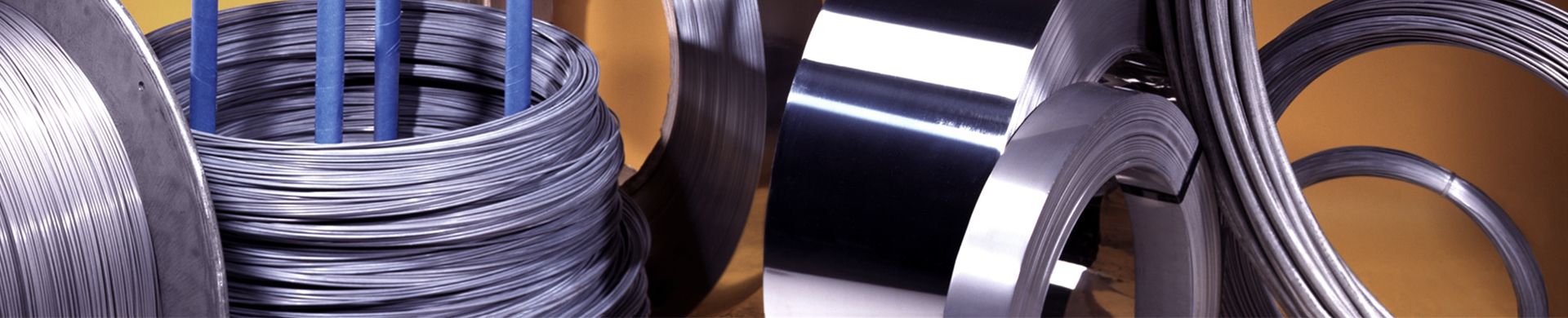
Bright color FeCrAl alloy refers to the alloy with a smooth, shiny metallic surface.
It is in its original state after precision processing, without any oxide film on the surface.
1.2 Oxidized Color FeCrAl Alloy
Oxidized color FeCrAl alloy has a dull, matte surface with a grayish or brownish tint.
Its surface forms a dense aluminum oxide (Al₂O₃) protective film after high-temperature oxidation treatment.
2. Key Causes of the Two Surface Colors
2.1 Why FeCrAl Alloy Has Bright Color
Bright color is achieved through strict surface processing technologies.
Processes like cold drawing, polishing, and pickling remove surface impurities and oxide layers, revealing the alloy’s inherent metallic luster.
2.2 Why FeCrAl Alloy Has Oxidized Color
Oxidized color is formed by intentional high-temperature oxidation treatment (300-800℃).
At high temperatures, aluminum in the alloy reacts with oxygen to form a dense Al₂O₃ film, which changes the surface color.
3. Core Differences: Bright Color vs. Oxidized Color (Comparison Table)
The following table intuitively shows the key differences between the two surface colors:
| Comparison Item | Bright Color FeCrAl Alloy | Oxidized Color FeCrAl Alloy |
| Surface Appearance | Smooth, shiny metallic luster (silver-white or grayish-silver) | Dull, matte; gray, brownish, or dark gray |
| Surface State | No oxide film; original metallic surface | Dense Al₂O₃ protective oxide film |
| High-Temperature Resistance | Good, but needs oxidation to form protective film during use | Excellent; pre-formed oxide film enhances high-temp stability |
| Corrosion Resistance | General; prone to oxidation in humid/high-temp environments | Superior; oxide film prevents further corrosion |
| Processing Difficulty | Higher (requires polishing/pickling; surface easily scratched) | Lower (no extra surface processing; oxide film protects from scratches) |
4. Application Scenarios: Choose Based on Your Needs
4.1 Suitable for Bright Color FeCrAl Alloy
Scenarios requiring aesthetic appearance and basic high-temperature performance.
Examples: Household heating appliances (small heaters), decorative heating components, low-temperature industrial heaters.
4.2 Suitable for Oxidized Color FeCrAl Alloy
Scenarios requiring long-term high-temperature operation and strong corrosion resistance.
Examples: Industrial high-temperature furnaces, automotive exhaust heating systems, aerospace auxiliary heating parts.
5. Our FeCrAl Alloy: Both Bright & Oxidized Color Options
5.1 Complete Surface Color Options
We provide both bright color and oxidized color FeCrAl alloy (wires, strips, coils).
All products comply with ASTM/EN standards, ensuring consistent performance regardless of surface color.
5.2 Customized Surface Treatment
According to your project needs, we can customize the surface color and oxidation degree.
For bright color, we use precision polishing; for oxidized color, we control the oxidation temperature to ensure film density.
5.3 Strict Quality Control
100% pre-delivery testing for both surface colors: brightness, oxide film thickness, and high-temperature resistance.
Our FeCrAl alloy maintains stable performance in various harsh environments, whether bright or oxidized.
6. Conclusion
The core difference between bright color and oxidized color FeCrAl alloy lies in surface state, performance, and application scenarios.
Bright color focuses on aesthetics and basic performance, while oxidized color emphasizes high-temperature and corrosion resistance.
We offer both options to meet your diverse project needs If you’re unsure which surface color to choose, contact us for professional recommendations based on your application environment and requirements.
Post time: Apr-20-2026


