





Atomizer Coil Material Safety: Risks Lie Not in the Material Itself, but in Quality and Usage
1. Why Is the Safety of Nichrome in Vape Atomizers So Controversial?
1.1 Nichrome WireNichrome Wire |: One of the Dominant Materials for Atomizer Coils
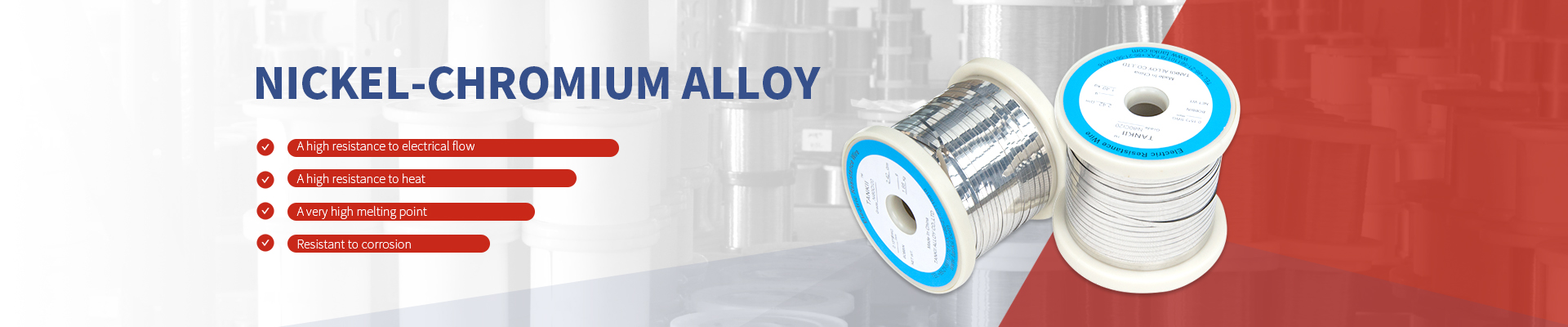
Nichrome alloy (represented by Ni80Cr20) is a classic heating material for e-cigarette atomizer coils. Praised for its fast temperature rise, stable resistance and excellent processability, it is widely used in both pre-built atomizers and DIY heating wires.
As e-cigarette regulations tighten and consumer health awareness grows, issues such as metal leaching and harmful substance generation from heating wires at high temperatures have become a focal point of industry attention.
1.2 Three Core Safety Concerns
● Public concerns over nichrome vape wires mainly revolve around three aspects:
●Nickel release: Nickel is a common allergen, and there are worries about potential health risks from long-term inhalation.
●Hexavalent chromium formation: Whether chromium in the alloy converts into carcinogenic hexavalent chromium at high temperatures.
● Inhalation of metal particles: Whether nano-sized metal particles in the vape aerosol can cause respiratory damage.
2. Scientific Interpretation of the Core Controversies
2.1 No Carcinogenic Hexavalent Chromium Forms Under Normal Vaping Temperatures
This is the most critical misconception. Chromium in nichrome alloy produces entirely different oxidation products at different temperatures:
● Under normal vaping conditions (200–300°C): Chromium preferentially oxidizes into trivalent chromium (Cr₂O₃), forming a dense protective film. Trivalent chromium itself is non-toxic and is recognized as an essential trace element for the human body.
●Under extreme dry-burn conditions (>1000°C): Only when temperatures far exceed the normal vaping range may some trivalent chromium further oxidize into volatile hexavalent chromium oxides, posing health risks.
● In short: Hexavalent chromium risk is extremely low when e-liquid is properly fed and no dry burning occurs; risks only arise from dry burning and misuse at excessively high power.
2.2 Nickel Release: Compliant Products Stay Well Below Safety Limits
Nickel is indeed a known respiratory allergen, and nickel compounds are classified as Group 1 carcinogens by the IARC. However, “containing nickel” does not equal “harmful”—the key lies in the release dose.
Multiple academic studies show that under normal use, nickel and chromium release in aerosols from nichrome coils of compliant brands mostly fall below the FDA’s Permitted Daily Exposure (PDE) limits for inhalation products.
Products that exceed limits are mostly low-quality, uncertified disposable items. Their substandard alloys and crude manufacturing can result in metal release levels dozens to hundreds of times higher than those of legitimate products.
2.3 Metal Particle Release: Poor-Quality Products Are the Main Culprit
Trace amounts of metal particles may indeed be present during vaporization, but they come not only from the heating wire but also from solder, electrodes and e-liquid tanks.
● High-quality nichrome wire has a stable surface oxide film, with slow metal wear under normal use.
● Alloys made from low-quality recycled materials have uneven composition and surface defects. After repeated heating, they are more prone to metal flaking and migration. Nano-sized particles can penetrate deep into the alveoli, posing accumulation risks with long-term use.
3. What Do Industry Regulations Require?
3.1 Mainstream Domestic and International Safety Standards
● Chinese National Standard GB 41700-2022: Explicitly restricts the content of harmful substances such as lead, cadmium, mercury and hexavalent chromium in heating wires, and requires nickel ion release rates to meet biocompatibility test requirements.
●US FDA PMTA: Requires marketed products to submit assessments of Harmful and Potentially Harmful Constituents (HPHC), including aerosol release data of heavy metals such as nickel and chromium, which must not exceed safety thresholds.
● EU TPD: Imposes strict limits on material safety and ingredient release of e-cigarette products. Alloys such as nichrome must comply with food contact and inhalation safety standards.
3.2 Fundamental Differences Between Compliant and Low-Quality Products
| Dimension | Compliant Brand Nichrome Coils | Low-Cost Inferior Nichrome Coils |
| Raw Material Quality | Medical/industrial-grade high-purity alloy with uniform and stable composition | Smelted from recycled materials with high impurities and large composition deviation |
| Process Control | Precision drawing + surface passivation, with uniform oxide film | Rough manufacturing with many surface defects and easy flaking |
| Metal Release | Below safety limits under normal use | Release levels can exceed limits by dozens of times at high temperatures |
| Hexavalent Chromium Risk | Nearly zero under normal working conditions | Significantly elevated due to impure composition and poor craftsmanship |
| Compliance Certification | Meets requirements of national standards, PMTA and TPD | No testing or certification, no quality control system |
4. Safety Comparison of Common Vape Heating Wire Materials
For a more intuitive comparison, the table below summarizes the safety features and applicable scenarios of four mainstream heating wire types:
| Material Type | Representative Grade | Core Safety Features | Main Risk Points | Application Scenarios |
| Nichrome Alloy | Ni80Cr20 | Stable oxide film at normal temperatures; trivalent chromium is non-toxic | Nickel allergy risk; possible hexavalent chromium formation when dry-burned | Power mode, flavor-focused vaping |
| FeCrAl Alloy | 0Cr25Al5 | Stable aluminum oxide protective film at high temperatures; no nickel allergy risk | Trace aluminum release at high temperatures; brittle at low temperatures | Power mode, cloud-chasing vaping |
| Stainless Steel | 316L | Medical-grade material with good biocompatibility | Trace heavy metal leaching at extremely high power | Dual power/temperature control mode |
| Pure Nickel Wire | Ni200 | High temperature control accuracy | 100% nickel content, higher nickel release and allergy risk | Temperature control mode only |
5. What to Really Watch Out For: Not Nichrome, but These Two Scenarios
5.1 Uncertified Low-Quality Products
A large number of low-cost disposable vapes and unbranded atomizer coils use recycled nichrome wire to cut costs, with substandard composition and crude manufacturing. These are the main sources of excessive metal levels.
Even if labeled “nichrome”, the safety of such products is worlds apart from that of compliant products.
5.2 Improper Use and Extreme Operation
● Dry burning the coil: Dry burning without e-liquid can instantly push wire temperature above 1000°C, which not only may generate hexavalent chromium, but also accelerates alloy aging and flaking.
● Running low-resistance coils at excessively high power: Using power far beyond the design range causes the heating wire to operate at over-temperature for long periods, aggravating metal migration and oxidative decomposition.
● Using atomizer coils beyond their service life: Continuing to use coils after they reach the end of their lifespan leads to oxide layer shedding and increased alloy wear, with significantly higher metal release.
6. Safe Usage and Selection Recommendations
1. Prioritize compliant brand products: Choose pre-built atomizer coils that meet national standards and relevant safety certifications, and avoid low-cost uncertified products.
2. Avoid dry burning and over-power use: Operate within the recommended power range of the device, ensure sufficient e-liquid supply, and never perform dry burns without e-liquid.
3. Replace coils regularly: Replace coils promptly when burnt taste or obvious flavor degradation occurs, and do not use them beyond their service life.
4. Exercise caution for nickel-sensitive users: Users with nickel allergies can opt for nickel-free or low-nickel heating wire materials such as FeCrAl or 316L stainless steel.
5. Pay attention to raw material sources: For atomizer manufacturers, selecting high-quality, composition-stable nichrome wire raw materials is the root of controlling end-product safety risks.
7. Tankii Vape-Grade Nichrome Wire: Quality and Safety Controlled From the Source
7.1 High-Purity Raw Materials + Precise Composition Control
Tankii’s vape-grade nichrome wire is smelted from high-purity virgin raw materials, with strictly controlled nickel-chromium ratios and impurity content. This ensures uniform and stable composition across every batch, reducing the risk of harmful impurity leaching from the source.
Our products comply with environmental standards such as RoHS and REACH, and come with complete material test reports, meeting the quality control requirements of compliant e-cigarette brands at home and abroad.
7.2 Precision Craftsmanship + Surface Passivation Treatment
Manufactured through multi-pass precision drawing processes, our nichrome wire maintains diameter tolerance within ±0.005mm, with a smooth and defect-free surface. Combined with professional passivation treatment, a uniform and dense oxide protective film forms on the alloy surface, improving usage stability and reducing metal release rate.
We can provide customized products of different wire diameters and forms according to customer needs, adapting to various pre-built coil and DIY heating wire scenarios.
7.3 Full-Process Traceable Quality Control System
We have established a full-chain quality traceability system from smelting, drawing to finished product inspection. Each batch is accompanied by a material certificate and performance test report, helping customers easily comply with domestic and foreign regulatory audits.
We can support customers in material release testing and process optimization, working together to improve the safety and reliability of atomizer coil products.
Conclusion
Nichrome alloy used in e-cigarette atomization is not “inherently unsafe”. Its risks are highly dependent on raw material quality, manufacturing process and usage methods.
With compliant raw materials, standardized production and normal use, the metal release of nichrome wire can be controlled within safe ranges. It is low-quality products and abusive operation that pose real health hazards.
For brand manufacturers, selecting high-quality upstream alloy materials and implementing full-process quality control is both a regulatory requirement and a commitment to consumer health.
If you have selection or customization needs for vape-specific nichrome wire, welcome to contact the Tankii technical team. We will provide you with high-quality, traceable alloy material solutions.
Post time: Aug-17-2026

